

- By Admin
- 31 Aug, 2026
- Technology
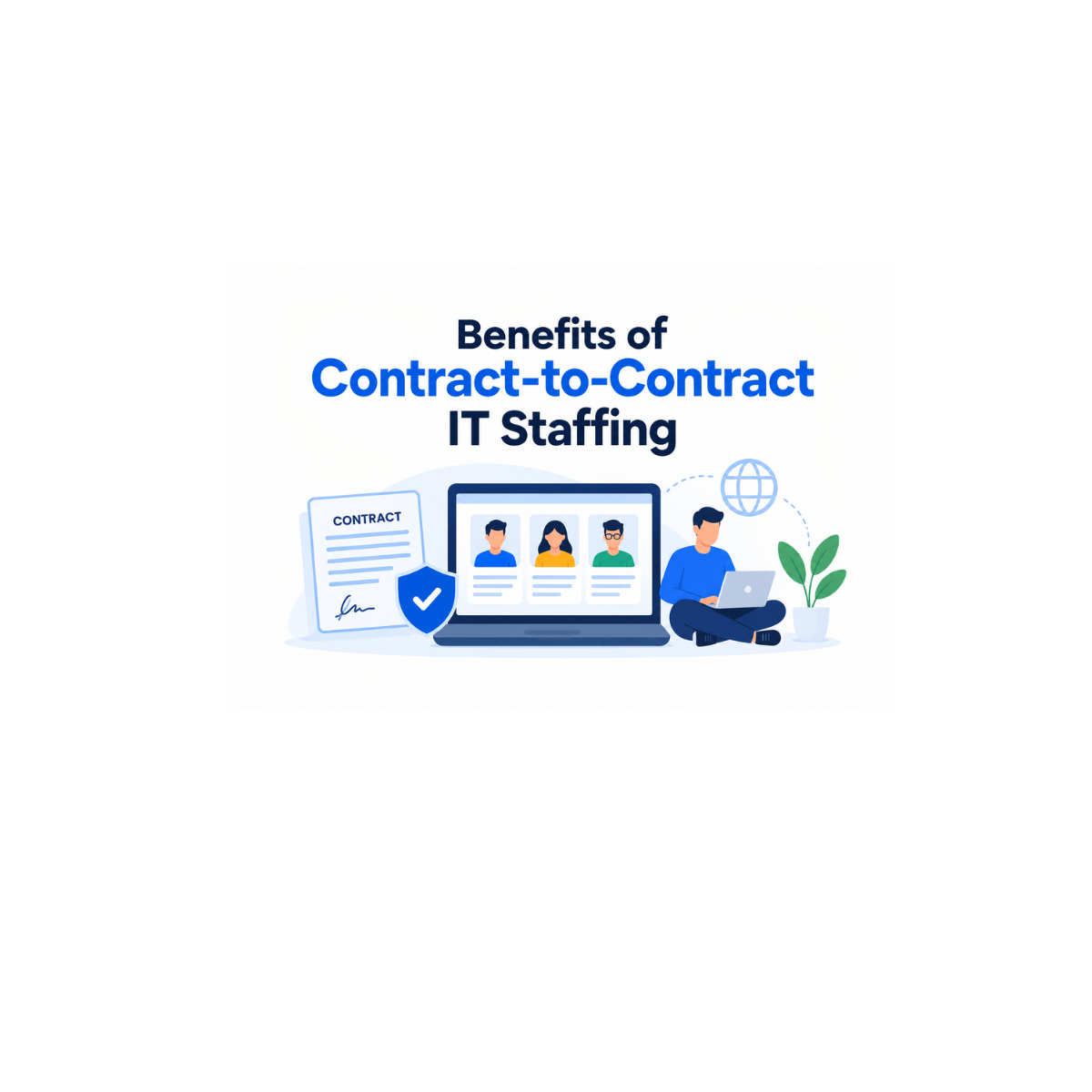
Benefits of Contract-to-Contract IT Staffing
Benefits of Contract-to-Contract IT Staffing
The way businesses build technology teams is changing rapidly. Companies no longer need to depend only on permanent employees to meet every development requirement. Contract-to-contract IT staffing gives organizations the flexibility to bring in experienced professionals for specific projects, technical requirements, or fixed periods. With the increasing demand for on demand hire, businesses can quickly access the right technology skills, expand their teams when workloads increase, and maintain better control over hiring and development costs.
What Is Contract-to-Contract IT Staffing?
Contract-to-contract IT staffing is a flexible workforce model where businesses hire technology professionals for a defined project, assignment, or contract period. Instead of adding permanent employees to the payroll, companies can engage developers and IT specialists according to their current requirements.
Contract resources can support a wide range of technology roles, including software developers, mobile app developers, UI/UX designers, QA engineers, cloud professionals, DevOps engineers, data engineers, AI/ML specialists, cybersecurity professionals, and Salesforce or SAP experts.
This model is especially useful for organizations that have changing workloads or need specialized technical expertise for a limited period.
Quick Access to Skilled Professionals
Finding experienced technology professionals through traditional recruitment can take considerable time. Contract staffing gives businesses an opportunity to access skilled resources more quickly.
Companies can identify professionals based on specific technologies, experience levels, and project requirements. This is useful when an organization needs to start development quickly or fill an unexpected technical gap.
For example, a company launching a mobile application may need Flutter or React Native developers for several months. Contract staffing allows the company to add these specialists without creating permanent positions.
Increased Workforce Flexibility
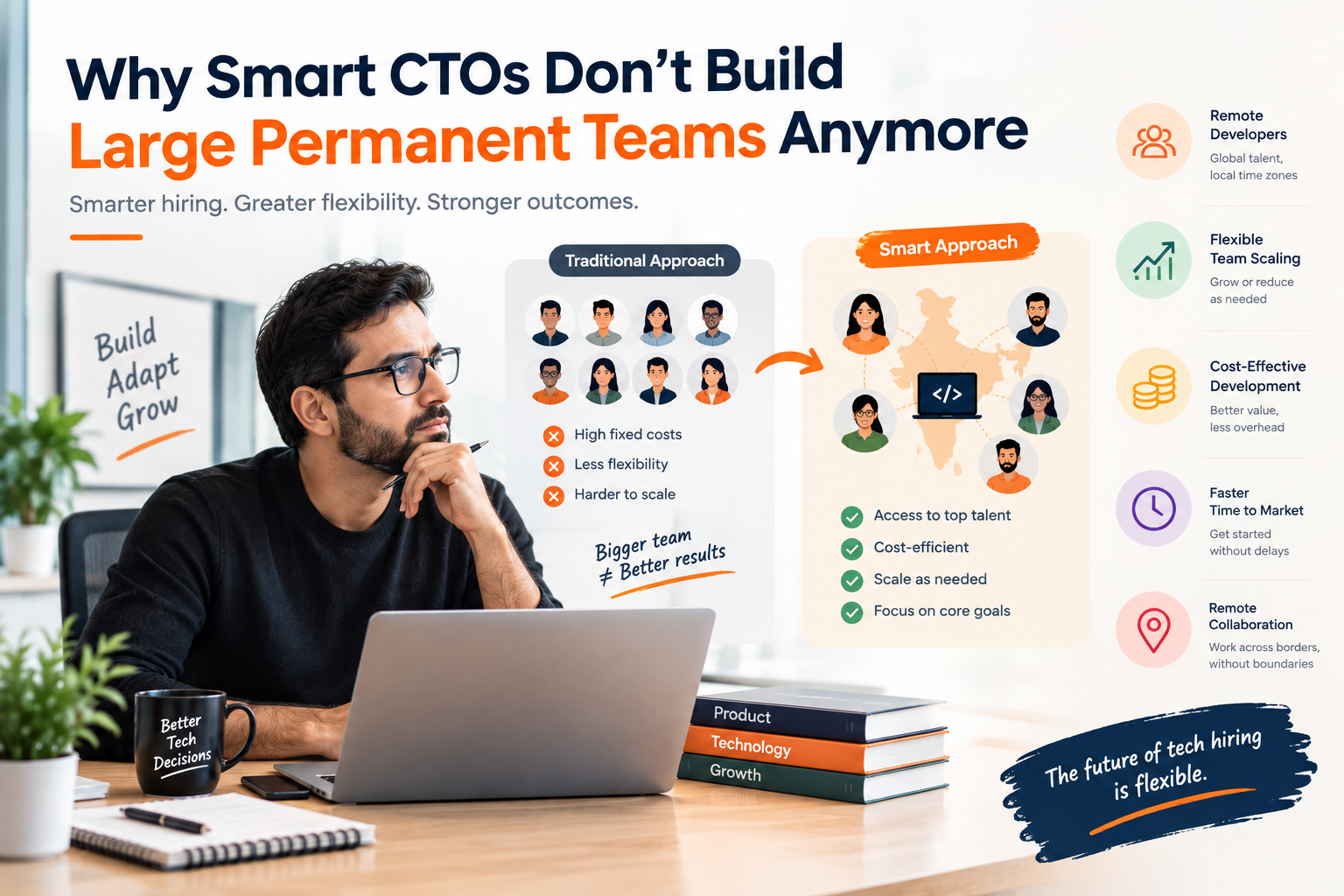
Business requirements are rarely constant. Some projects require a large team during development and a smaller team after launch.
Contract-to-contract staffing allows organizations to adjust their workforce according to actual demand. Businesses can add developers when a project becomes busy and reduce resources when the workload decreases.
This creates a more adaptable workforce and prevents companies from maintaining unnecessary positions during slower periods.
Reduced Long-Term Hiring Commitments
Permanent employees typically involve ongoing salary, benefits, training, equipment, and other employment-related expenses.
For temporary projects, taking on these long-term commitments may not always make financial sense. Contract staffing allows businesses to engage professionals for a defined period and manage their workforce according to project budgets.
This can be particularly beneficial for startups and growing companies that need to manage their technology expenses carefully.
Support for Short-Term Projects
Not every technology requirement is permanent. Businesses may need additional developers for projects such as mobile application development, website redesign, software migration, cloud implementation, API development, legacy system modernization, or feature upgrades.
Contract professionals can be brought in specifically for these initiatives and continue supporting the business for as long as their expertise is required.
Easier Team Expansion
A company may start a project with a small internal team and later realize that additional expertise is needed.
For example, a development team may initially consist of frontend and backend developers but later require a DevOps engineer, QA specialist, or cloud architect.
Contract staffing makes it easier to add these professionals without completely restructuring the internal team.
Access to Specialized Expertise
Some technical skills are required only at particular stages of a project. Hiring a permanent specialist for occasional requirements can be inefficient.
With contract staffing, organizations can bring in professionals with specific expertise when needed. A business might hire an AI/ML engineer for an artificial intelligence project, a Salesforce consultant for CRM customization, or a DevOps specialist for cloud deployment.
This allows companies to access specialized knowledge without maintaining every skill internally.
Faster Project Completion
Development delays can affect product launches, customer satisfaction, and business revenue. When internal teams are overloaded, contract professionals can provide additional development capacity.
They can take responsibility for specific modules, features, testing activities, or technical tasks. This allows internal employees to continue focusing on their primary responsibilities while additional resources help move the project forward.
Lower Recruitment Workload
Hiring internally requires HR teams to spend time sourcing candidates, reviewing resumes, arranging interviews, conducting assessments, and completing onboarding.
Contract staffing can simplify this process when businesses work with experienced staffing providers or talent networks.
Organizations can focus more on evaluating project suitability and less on managing every stage of recruitment.
Remote Staffing Opportunities
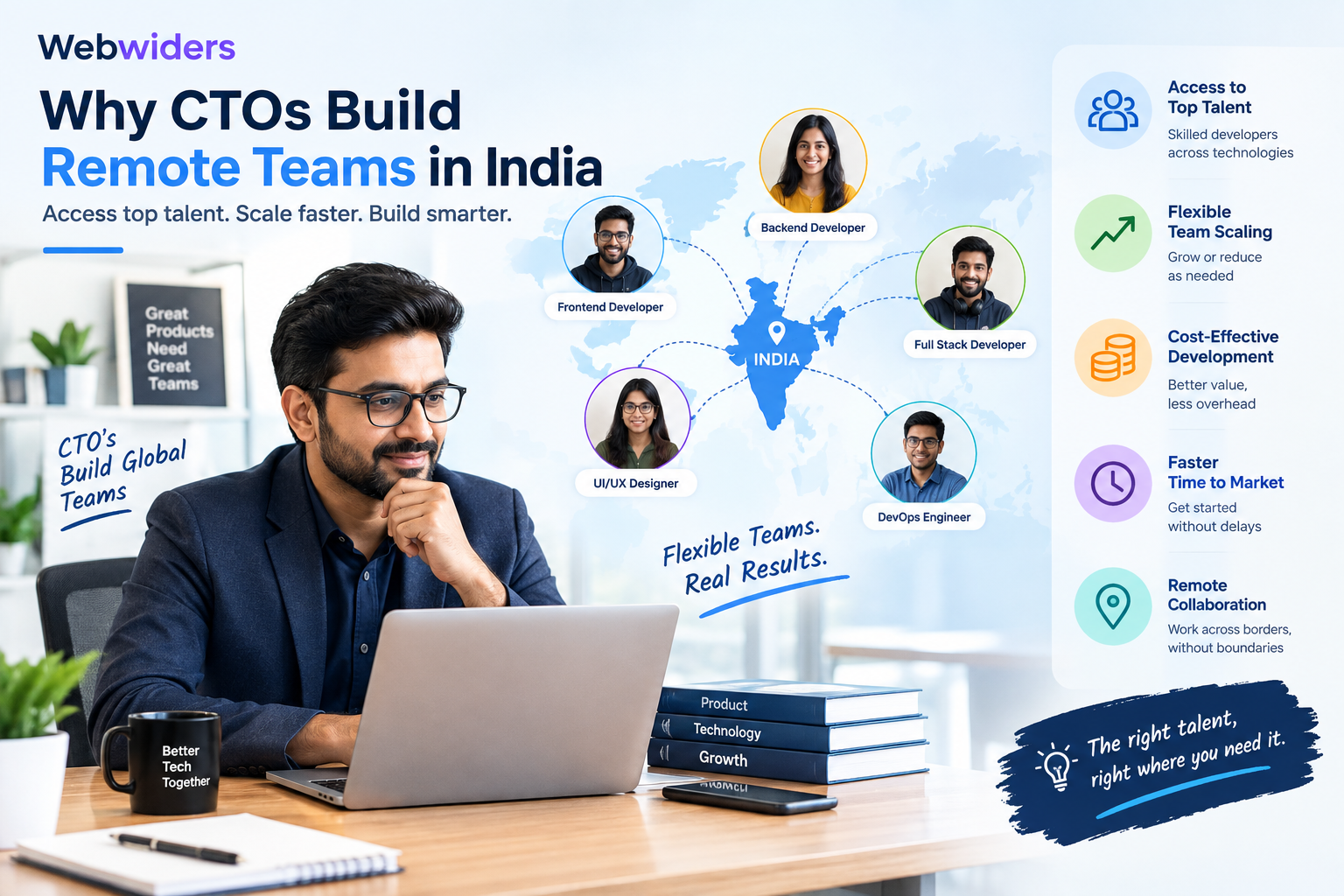
Contract-to-contract staffing can also support remote development teams. Businesses are no longer limited to talent available within their local area.
Remote professionals can collaborate with internal teams using video conferencing, project management systems, communication platforms, and development tools.
This can expand the available talent pool and make it easier to find professionals with specialized technical experience.
Better Resource Allocation
Contract staffing allows companies to allocate resources where they have the greatest business impact.
Instead of assigning internal employees to temporary tasks outside their expertise, organizations can bring in specialists specifically for those requirements.
This can help internal teams remain focused on core products and business priorities while external professionals handle specialized or additional workloads.
Contract Staffing for Different IT Roles
Contract-to-contract staffing can support organizations across multiple technology areas.
Businesses can hire professionals experienced in:
- React.js and React Native
- Flutter
- Node.js
- Python
- Java and Spring Boot
- PHP and Laravel
- .NET
- Salesforce
- SAP
- Microsoft technologies
- AI and machine learning
- Data engineering
- DevOps and cloud
- UI/UX design
- Software testing
This flexibility makes the model suitable for startups, growing companies, enterprises, and organizations managing multiple technology projects.
How to Manage Contract IT Resources Effectively
Businesses should establish clear expectations before starting a contract engagement. Project objectives, responsibilities, timelines, technical requirements, communication methods, and deliverables should be defined from the beginning.
Providing developers with documentation, development environments, project tools, and relevant business information can also help them become productive faster.
Regular communication and progress reviews are important for identifying issues early and ensuring that project goals remain aligned.
Contract-to-Contract Staffing vs Permanent Hiring
Permanent employees are valuable when businesses require long-term internal expertise and continuous involvement in their products. However, contract staffing can be more appropriate for temporary or fluctuating requirements.
Contract staffing is particularly useful when a business needs:
- Temporary development support
- Specialized technical expertise
- Additional resources for a project
- Rapid team expansion
- Support during peak workloads
- Short-term replacement resources
- Assistance with specific technology initiatives
The best hiring model depends on the organization's budget, project duration, technical requirements, and long-term workforce strategy.
Building a Flexible IT Workforce
The modern technology workforce is becoming increasingly flexible. Businesses want to respond quickly to changing market conditions without creating unnecessary long-term hiring commitments.
Contract-to-contract IT staffing provides a practical way to achieve this flexibility. Organizations can maintain a core internal team while bringing in external specialists whenever additional expertise or development capacity is required.
This approach can help companies improve resource utilization, accelerate projects, and respond more effectively to changing technology demands.
The Growing Importance of On-Demand IT Hiring
As businesses increasingly work on multiple digital initiatives at the same time, having immediate access to skilled technology professionals has become an important advantage. On demand hire enables companies to add qualified IT resources according to their current project needs instead of relying entirely on lengthy traditional recruitment processes.
Contract-to-contract IT staffing can therefore help organizations create agile development teams while maintaining control over costs and resources. By combining flexible contracts with on demand hire, businesses can quickly fill technical skill gaps, scale teams during busy periods, access specialized expertise, and adjust their workforce as project requirements change.
Frequently Asked Questions (FAQs)
1. What does contract-to-contract IT staffing mean?
Contract-to-contract IT staffing means engaging IT professionals for a specific project, assignment, or agreed period rather than hiring them as permanent employees. The arrangement provides businesses with greater flexibility in managing their technical workforce.
2. Which IT roles can be hired through contract staffing?
Businesses can hire software developers, mobile developers, UI/UX designers, QA engineers, DevOps professionals, cloud specialists, data engineers, AI/ML experts, Salesforce consultants, SAP professionals, and other technology specialists.
3. Is contract-to-contract staffing suitable for startups?
Yes. Startups can benefit from contract staffing because they can access experienced professionals without immediately building a large permanent technology team. Resources can also be increased as the startup's product and workload grow.
4. Can contract developers work with an existing internal team?
Yes. Contract developers can work alongside internal employees and contribute to specific features, modules, projects, or technical requirements. Clear responsibilities and communication processes can help both teams collaborate effectively.
5. How does on demand hire benefit businesses?
On demand hire allows businesses to access technical professionals when they need additional resources or specialized expertise. It can help companies fill skill gaps faster, expand teams for specific projects, manage changing workloads, and avoid unnecessary long-term hiring commitments.